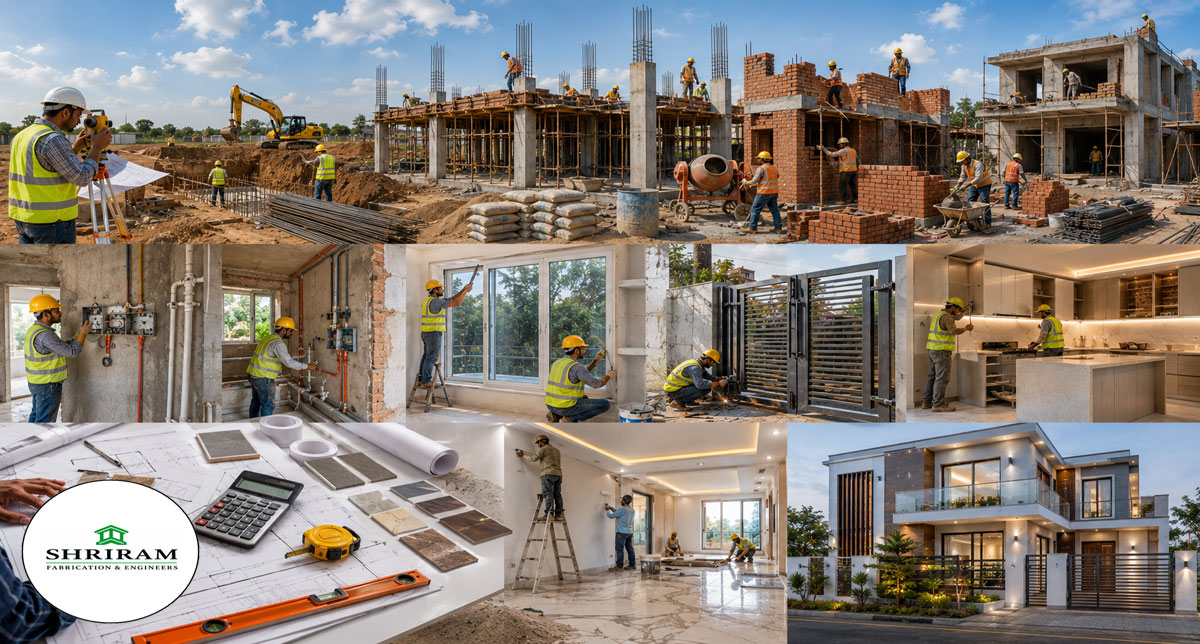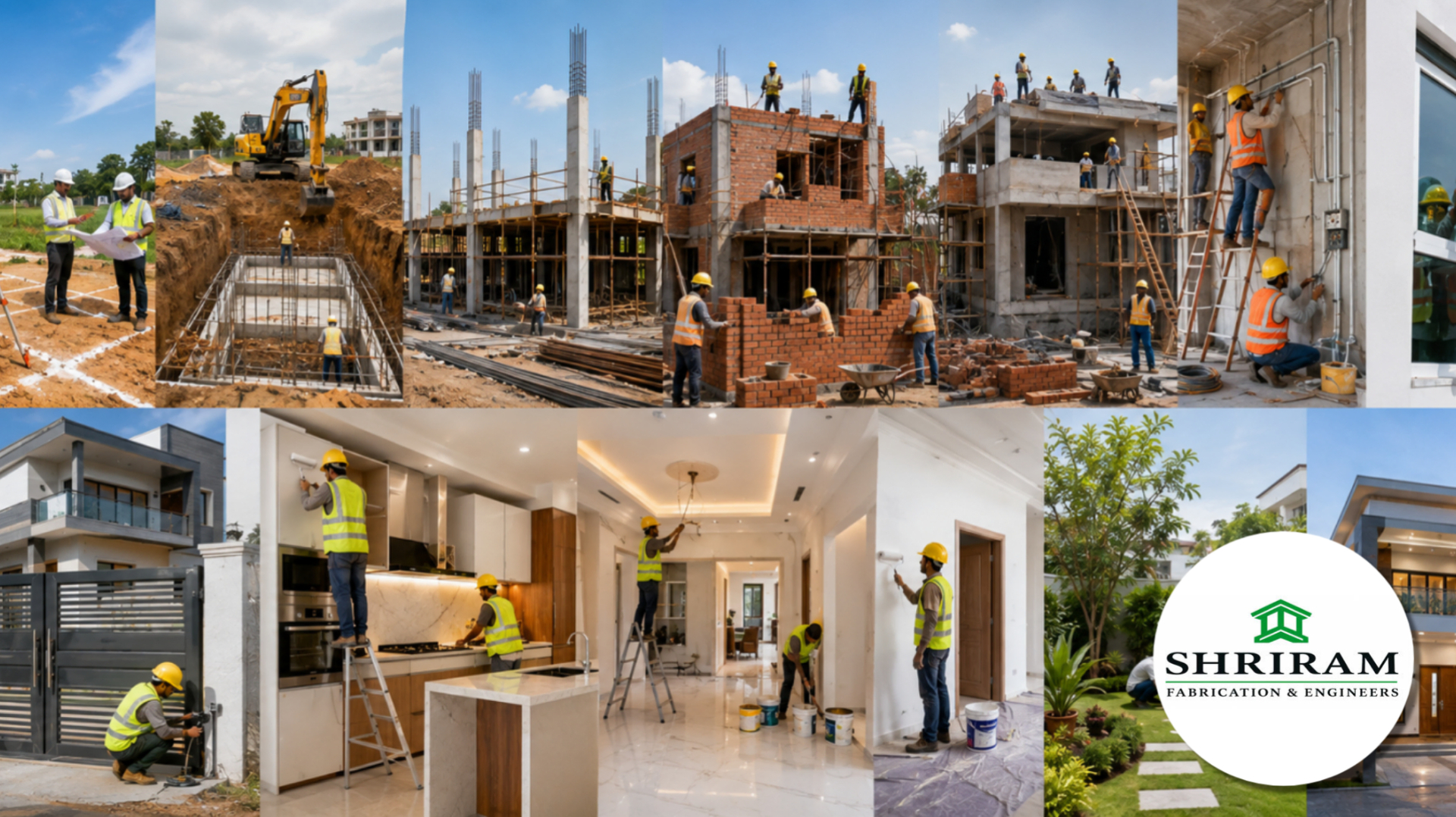
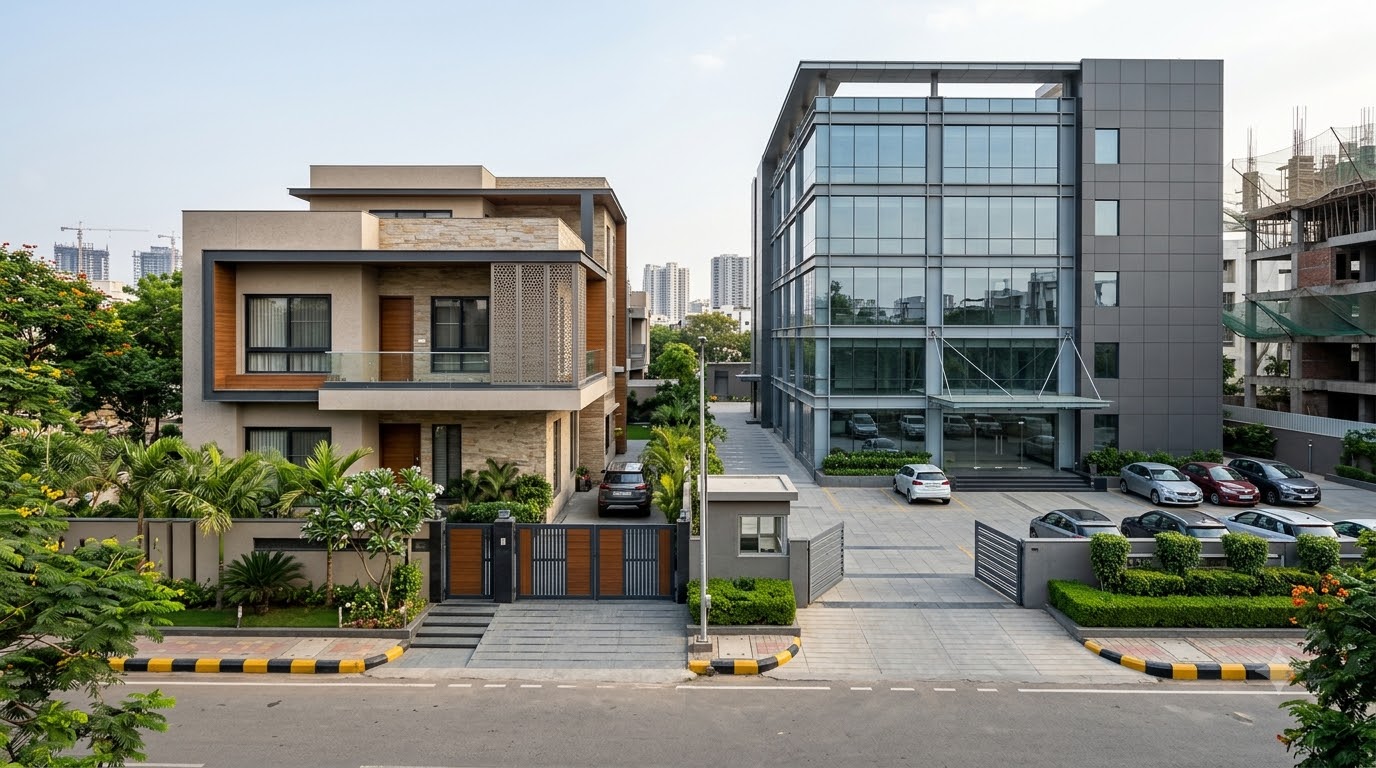
Construction projects vary depending on their purpose, design and functional requirements. Two major categories are residential construction and commercial construction. While both involve planning, engineering, materials and skilled labour, their requirements can be quite different. Understanding the difference between residential and commercial construction helps property owners and businesses make better project decisions.
What is Residential Construction?
Residential construction focuses on building spaces designed for people to live in. These projects include independent houses, villas, apartments, duplexes and residential societies. The main priorities are comfort, safety, functionality and attractive design.
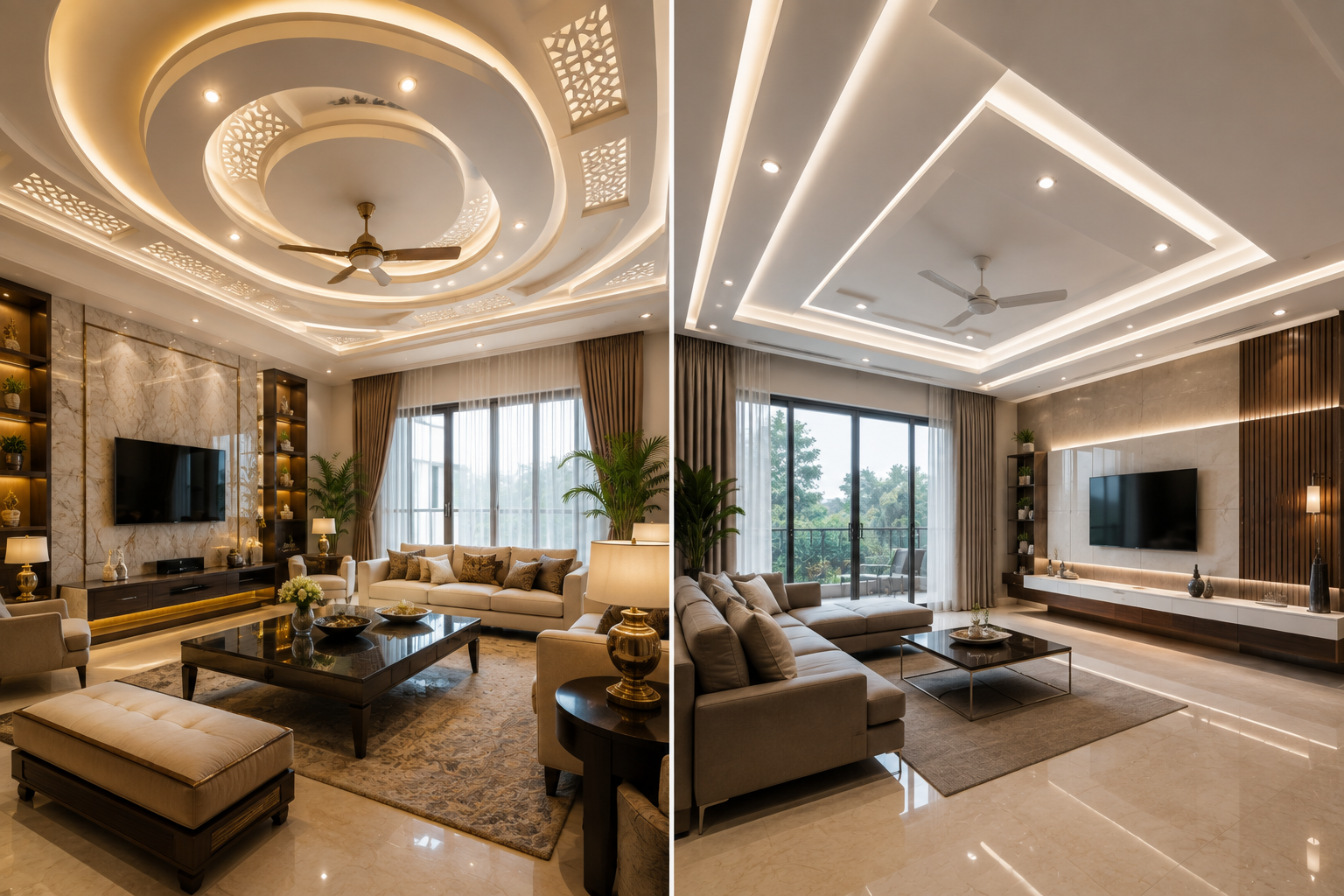
Residential projects often include bedrooms, kitchens, bathrooms, living areas, balconies and parking spaces. Material selection, ventilation, natural lighting, space utilisation and interior finishing play an important role. Homeowners may also prefer customised features such as aluminium doors and windows, modular kitchens, false ceilings, gates and decorative fabrication work.
What is Commercial Construction?
Commercial construction involves developing buildings and spaces for business and professional activities. Examples include offices, shopping complexes, retail outlets, warehouses, hotels, hospitals and industrial buildings.
These projects generally require careful planning for higher occupancy, accessibility, fire safety, electrical systems, ventilation and operational efficiency. Commercial buildings may also need stronger structural specifications, larger open spaces, specialised installations and durable materials to support regular usage.
Key Differences Between Residential and Commercial Construction
1. Purpose: Residential construction provides comfortable living spaces, whereas commercial construction supports business operations and customer activities.
2. Design and Layout: Homes focus on privacy, comfort and lifestyle requirements. Commercial buildings prioritise functionality, accessibility, workflow and space management.
3. Materials and Specifications: Both use materials such as concrete, steel, glass and aluminium. However, commercial projects may require different specifications depending on building usage, occupancy and safety standards.
4. Budget and Timeline: Costs and completion schedules depend on project size, location, design, material selection and approvals. Large commercial projects may involve more complex coordination.
5. Regulations: Both project types must follow applicable building codes and local regulations. Commercial properties may have additional requirements related to fire safety, accessibility and public occupancy.
Choosing the Right Construction Partner in Delhi NCR
Whether you are planning a new home, renovating a residential property or developing a commercial space, selecting an experienced construction and fabrication partner is important. Quality workmanship, proper material selection, accurate measurements and timely project coordination contribute to better results.
Shriram Fabrication & Engineer offers fabrication and construction-related solutions for residential and commercial requirements. From customised fabrication work to functional architectural installations, the right planning can help bring your project vision to life.
If you are planning a residential or commercial project in Delhi, Noida, Greater Noida, Ghaziabad, Gurugram or Faridabad, connect with Shriram Fabrication & Engineer to discuss your requirements.